Rebranding without confusing the people who already buy
Rebrand when the offer or the audience changed, not when the team is bored of the old site. Keep the paths regulars already use while the surface changes.
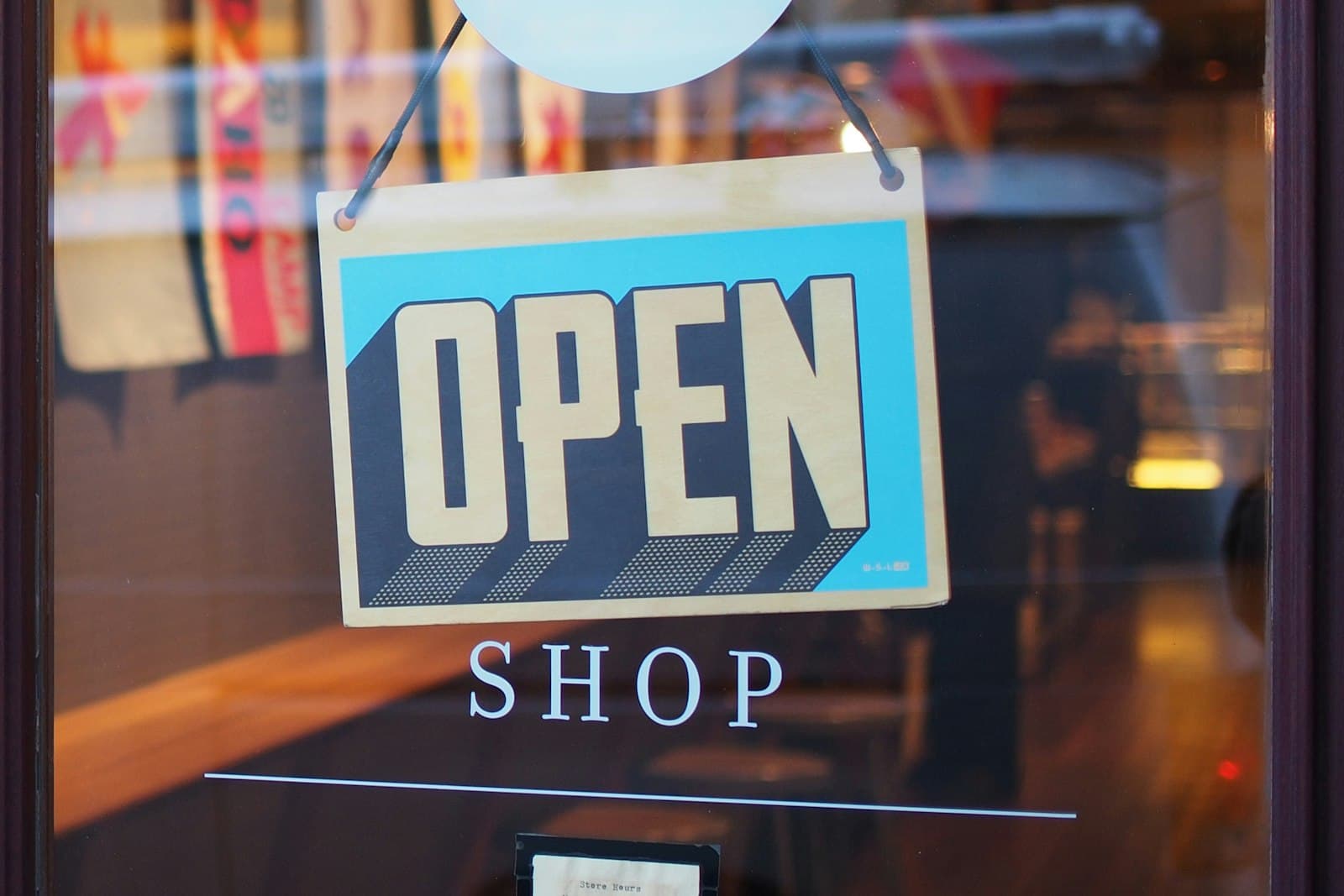
Knowing when to rebrand a startup starts from a change in the facts. Do it when the offer has changed, or the audience has changed, and the current name, voice, or visual system now tells the wrong story. Boredom is a weak reason. So is a new designer's taste, a competitor's relaunch, or a quarter in which the site feels familiar to the people who see it every day. Familiar to regulars is a form of trust. Spend it on purpose.
The surface can change while the path stays put. People who already buy from you should still find the same action, the same account, and the same words for the thing they came to do. Nielsen Norman Group's research on page visits is blunt about the opening seconds: people often leave within 10 to 20 seconds, and a clear value proposition within 10 seconds is what earns a longer look. A rebrand that hides the offer behind a new mood asks even loyal customers to re-solve a page they used to understand.
When the offer or the audience moved
The honest triggers are concrete. You stopped selling the first product and the name still describes it. You started selling to a buyer who is misled by the old tone. You merged two offers under one company and the site still looks like the smaller one. You are ashamed of the old site because it makes a promise the company no longer keeps. Those are reasons to change the brand, because the brand is currently lying, confusing, or trapping you.
Write the change in one sentence before you draw anything. "We used to help local shops with posters. We now build their checkout." That sentence tells you which pieces must move: the words, the proof, the pictures, and maybe the name. It also tells you which pieces can stay: the color of trust they already recognize, the URL they have bookmarked, the way they sign in.
If you cannot write the sentence, you are decorating. Pause. A new typeface will not clarify an offer you have not stated. The identity work from the early days still applies: audience, offer, and the feeling you refuse. A rebrand is that exercise done again, with the added duty of bringing existing customers along.
When to leave it alone

Leave the brand alone when the business is the same and you are tired of the files. Tired is a maintenance problem. Update the photographs that went stale. Rewrite the headline that no longer matches the product. Fix the page that has become slow or hard to edit. Those are repairs. They are often the whole job.
Leave it alone when a vocal new hire dislikes the palette and the customers have never complained. Internal taste is evidence about the team. It is weak evidence about the market. You can evolve a color in the product for a contrast problem, or a legibility problem, without announcing a new era.
Leave the name alone when it still passes the tests that matter: people can say it, the URL still works, and it does not forbid the next product. Renaming is the most expensive part of a rebrand because it breaks memory, email, print, and every place the old string is hard-coded. Do it when the name is false. Decline it when the name is merely young.
What regulars still need to recognize
Keep the path. If they used to buy from a header link called Shop, keep a header link that still means shop, even if the label gets clearer. If they booked from a button with a specific verb, keep that verb. If they log in from the same corner, leave the control there. A rebrand that moves every landmark will feel like a different company, and some of your best customers will assume they followed the wrong link.
Keep the proof they already believe. The projects, the products, and the plain description of the work should survive the new surface. Thomas Bewick, a heritage craft brand with an editorial site in Hanabi's public work, is a useful picture of this duty: a modern page that still had to feel like the craft, not like a replacement of it. You do not copy that site. You copy the restraint. The people who already care should recognize the hands, even if the type is new.
Keep the account, the order history, and the email from the address they know, or tell them about the new address in the old voice before you switch. Operational continuity is part of the brand on the day you launch. A beautiful site with a broken login is a rebrand that failed the only audience you were sure of.
Google's guidance on title links matters the week the name or the promise changes. The title element, the visible heading, and the other prominent text should agree. Google builds title links from those sources, and it may rewrite a title when the element is obsolete, half-empty, or out of step with the page. "Home" plus a new slogan is a weak pair. A concise title, with the site name at the start or the end and a specific description of the page, gives regulars and strangers the same clue. Update the titles in the same release as the visual change. A new logo sitting under last year's title tells searchers a story you already retired.
Change the surface in an order

Sequence the work so the company never has two public personalities by accident.
- Write the new sentence: who it is for now, what you offer, what you refuse.
- Decide what stays recognizable: name or not, URL, primary path, one color or one wordmark detail if it still tells the truth.
- Update the short system: type, color jobs, logo files, three sentences of voice.
- Apply it first to the homepage and to the one path regulars use, including the button and the confirmation.
- Then apply it to the product, the email, and the deck. A homepage that launches alone will make the product look abandoned, or the reverse.
- Redirect or rewrite any public URL whose title still describes the old offer. Keep the URL if the page still serves the same job.
Announce the change in the old voice, briefly, to the people who already buy. Say what is different in the offer, and say what they should do next, which should be the thing they already knew how to do. A manifesto email that never mentions their account is how you lose the room.
Inside the company, replace the files in the portal or the brand folder on the same day, and archive the old set under a date. People will grab whatever looks official. Make the new files the obvious ones. For a few weeks, answer the question "is this the new logo?" in one line, in public, inside the team channel. Then stop explaining. The work should be self-evident.
How to tell if it worked
Wait for real use. Regulars complete the same task they came to do: buy, book, sign in, download. Strangers can say what you do after reading the first screen. The team stops opening the old deck because the new files are easier to find than the old ones.
You should worry if support hears "I thought this was a different company," if the primary path's completion drops and stays down, or if the new sentence is already being paraphrased into the vagueness you just left. Those are signals to adjust the sentence and the path, not to launch a second rebrand. Give the surface a season. A brand that changes every time the founders are restless teaches customers to wait before they trust the next version.
A rebrand and a redesign are neighbors. Sometimes you need both. Sometimes you need a redesign that protects trust while the offer stays put. Book an intro call if you want a studio to help separate those jobs before the files change. The companion piece, How to redesign without losing people who already trust you, stays with the case where the relationship is the asset you are trying to keep.
Frequently asked questions
When should a startup rebrand?
When the offer or the audience has changed and the current name, voice, or visual system tells the wrong story. A site you are merely tired of needs repairs: a clearer headline, current photographs, a page that is easier to edit. Those repairs are often the whole job.
What should stay recognizable for existing customers?
Keep the path they already use, the verb on the main action, the login, and the proof they already believe. Keep the URL when the page still does the same job. If the name is still true, keep the name. Change the surface around those landmarks rather than moving all of them at once.
Should we announce the rebrand to current customers?
Tell the people who already buy, briefly, in the voice they already know. Say what changed in the offer and what they should do next, which should be the action they already understood. An announcement that never mentions their account spends the note on the company instead of on them.
Sources and further reading
- How Long Do Users Stay on Web Pages?, Nielsen Norman Group
- Influencing your title links in search results, Google Search Central
Written by
Hanabi
Hanabi is a product design and web development studio. The studio writes about clear websites, brand systems, and product interfaces for founders.