Verbal identity: the sentences your site should sound like
Brand voice is three sentences you will say and three you will not. Apply them to the homepage, the button, and the error a customer actually reads.
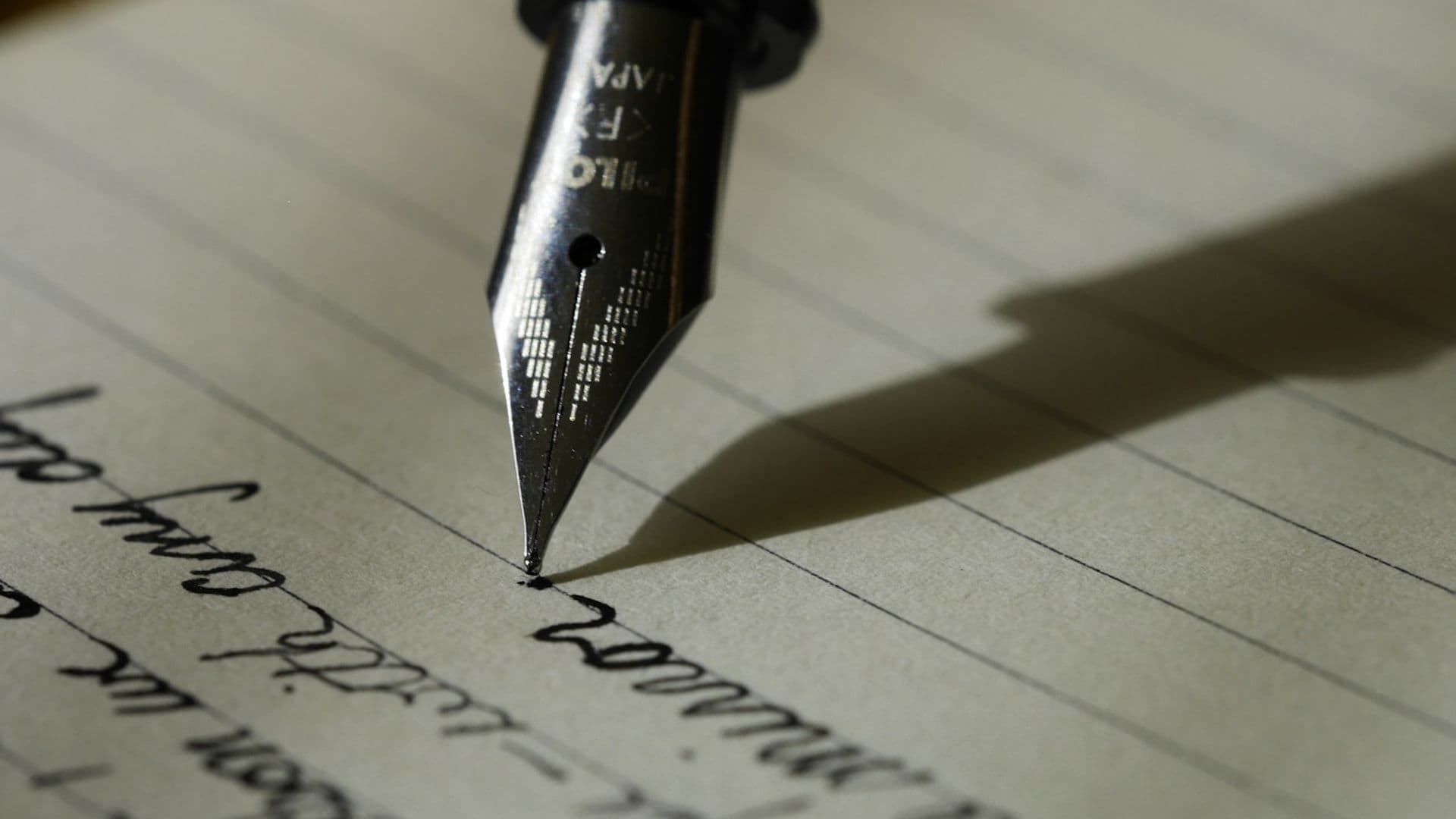
Brand voice for startups is a pair of lists: three sentences the company is willing to say, and three it will not. Voice is not a row of adjectives on a slide. It is the homepage, the button, and the error, written so a teammate can imitate them on a Thursday.
People will not read a voice document, and they will not read most of the site either. Nielsen Norman Group has reported that visitors often leave within 10 to 20 seconds, that they have time to read only a quarter of the text on pages they do visit, and that a value proposition has to be clear within 10 seconds if you want any more of their time. The sentences you pick are the ones that can survive that skim. Everything else is optional.
Three sentences you are willing to say
Write them as full sentences, in the voice you would actually publish. A sentence has a subject and a claim. "We are innovative" is not a sentence you can reuse. "We design and build the marketing site, and your team can edit it after launch" is a sentence. It tells a founder what happens.
Draw the three from the offer, the audience, and the limit of the work. One sentence says what the company does. One says who it is for. One says how the work feels, or what you refuse to waste their time on. Hanabi's public standard is a useful shape to study, because it is behavioral: clarity over complexity, clean code, a process that can change, speed, and plain communication. You do not need five pillars. You need lines a stranger can repeat after one reading.
Read them aloud. If you run out of breath, cut. If you sound like a category rather than a company, name the specific thing you make. If a competitor could paste the line onto their homepage unchanged, it is still a template. Replace the abstract noun with the object: the site, the invoice, the dashboard, the fitting, the membership.
Keep a source note next to each sentence. "This is the line we use under the name." "This is the line we use when someone asks what we do not do." The note stops a later edit from "improving" the only sentence that was doing the job.
Three sentences you will not say

The refusal list is where voice becomes enforceable. Write lines you have already been tempted to publish, and mark them as retired.
Typical refusals for a young company:
- A claim about being the leading, best, or fastest in a market you have not measured.
- A joke that punches down at the customer's current tool.
- A metaphor that sounds like a different industry than the one you serve.
- Urgency you do not mean, including fake deadlines and countdown language.
- Inside words that only the founding team enjoys.
Phrase the refusal as the alternative you will ship. "We say what the product does in the first line" is easier to follow than a ban on poetry with no replacement. The point of the list is a substitute, sitting right there, so a writer in a hurry has somewhere to go.
Review the refusal list when you see the banned sentence in a draft. Add the new case in one line. A refusal list that grows past a short page has become a style guide no one will finish. Keep it to the mistakes you actually make.
The homepage, the button, and the error
Apply the lists in that order. The homepage carries the sentence under the name. It should tell a stranger what this is and how to talk to a person. The button repeats the action in the company's verbs. "Book an intro call" is a different company from "Get started," even when both open a calendar. Pick the verb you are willing to say in an email as well.
The error is the test people skip. A missing password, a failed payment, and an empty dashboard are still the brand. Write the error as what happened, what the person can do, and who can help if the step fails. Leave the mood out. A playful apology on a payment failure reads as carelessness. A cold code with no next step reads as abandonment. The three sentences you chose should still be audible in the plain version.
Do the same for the empty state, if you have a product. The first time a screen has nothing to show, the writing teaches the product faster than a tour. Use the same verbs as the button. A team that writes "Oops" in the product and "operational excellence" on the site has two voices, and customers believe the one they meet under stress.
Titles, and the line search engines show

Google's documentation on title links says the title is often the main clue people use to decide which result to open. The guidance is practical: write descriptive, concise text; avoid vague labels such as "Home"; avoid repeating the same boilerplate on every page; brand the title briefly, with the site name at the start or the end; and skip keyword stuffing, which reads as spam to people and to Google. There is no fixed character limit in the document, and titles are truncated to fit the device.
That is a voice constraint. The sentence you are willing to say has to survive in a short title. "Northwind: membership software for independent gyms" can be a title. "Northwind | innovative solutions for the modern fitness ecosystem" cannot, because it spends the only line on words you promised not to say. Match the visible heading and the title element. Google may rewrite a title when the element is vague, half-empty, or out of step with the prominent text on the page. Give it one clear heading to trust.
Use the same name you use in the logo. A cute alternate in the title and a legal name on the page make the company harder to recognize. Concise branding, in Google's phrase, means the name plus the specific page, not the name plus a slogan on every URL.
How a growing team keeps the voice
Put the six sentences on the same short page as the type and the colors. Link that page from the place people write: the CMS, the repo, the shared doc. A voice that lives in a workshop recording will be remembered differently by each person who attended.
When someone new writes a page, ask them to mark which of the three approved sentences they used, and to flag any line that feels like the refusal list. The review stays small. You are checking a handful of claims, not scoring adjectives.
Change the lists when the offer changes. A new product, a new buyer, or a decision to stop doing a kind of work should show up as a rewritten sentence, not as a new adjective in the margin. If the lists are still true and the site sounds wrong, the problem is application. The homepage is drifting from lines you already approved. Pull it back before you invent a new personality.
Hanabi's services include the writing of that first screen alongside the visual system, so the sentences and the type arrive together. Once the lines exist, the next craft problem is the headline itself. How to rewrite a homepage headline walks through a method for the single line at the top of the page.
Frequently asked questions
What counts as brand voice if we do not have a writer?
The sentences already on the homepage, the button, and the error. Write three you are willing to repeat and three you will retire. Anyone on the team can check a new line against those six. A list of adjectives is harder to apply on a Thursday.
Should an error message sound like the homepage?
It should use the same verbs and the same limits. Say what happened, what to do next, and how to reach a person if the step fails. Leave jokes off payment failures and other moments where the person is stuck. The voice is the plain version of the sentences you already approved.
How should the voice show up in a page title?
Use the company name and the page's job, in words you are willing to say out loud. Google's title-link guidance warns against vague labels such as Home, and against repeating the same boilerplate on every URL. A title that only works when it is long and inflated is a sentence to retire.
Sources and further reading
- How Long Do Users Stay on Web Pages?, Nielsen Norman Group
- Influencing your title links in search results, Google Search Central
Written by
Hanabi
Hanabi is a product design and web development studio. The studio writes about clear websites, brand systems, and product interfaces for founders.